
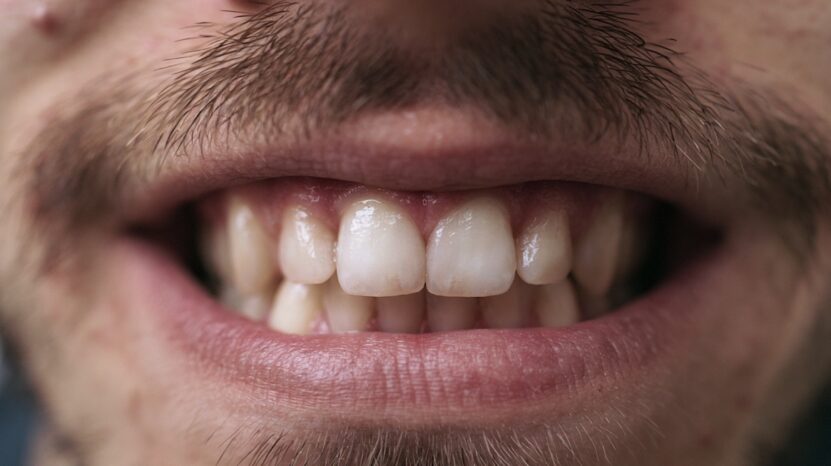
Nighttime teeth grinding, also called sleep bruxism, affects an estimated 8% to 10% of adults. That equals roughly one in ten people, yet many have no idea it is happening.
Grinding pressure during sleep may reach up to six times the force used during normal chewing.
Teeth, facial muscles, and jaw joints absorb that pressure night after night.
Repeated grinding can gradually wear down a smile, alter the shape of the lower face, and interrupt restorative sleep.
Damage often develops quietly until pain, sensitivity, visible tooth wear, or persistent fatigue becomes difficult to ignore.
Signs You Grind Your Teeth at Night
Sleep bruxism can produce symptoms across the teeth, jaw, ears, head, and neck. Several signs may appear at once, though some people notice only one or two.
- Morning jaw pain, stiffness, or a jaw that needs to be worked loose
- Dull headaches near the temples
- Tight or sore muscles in the cheeks, face, neck, and jaw
- Sensitivity to hot, cold, sweet foods, or biting pressure
- Flattened molars
- Front teeth that look chipped, cracked, yellow, or shorter
- Clicking or popping near the jaw joints
- Limited jaw movement or occasional locking
- Ear pain without an infection
- Ringing, pressure, fullness, or a clogged sensation in the ears
- Irritated cheeks or tongue caused by nighttime biting
- Grinding, clicking, or gnashing sounds noticed by a partner
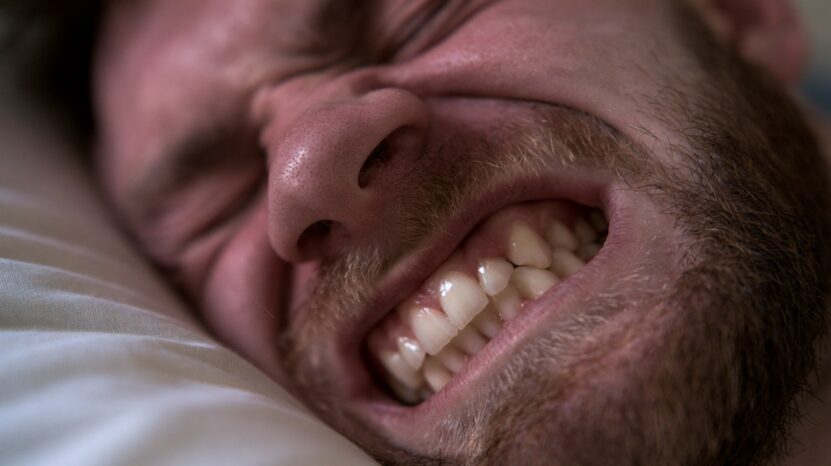
Persistent tiredness can also be a clue. Grinding episodes may trigger repeated micro-awakenings that pull the brain out of deeper sleep stages.
Enough hours may pass in bed, but sleep quality can still be poor.
Dental symptoms may become especially noticeable during meals.
Worn enamel exposes more sensitive layers underneath, making cold drinks, hot foods, sweets, and chewing uncomfortable.
Dental symptoms may become especially noticeable during meals.
Worn enamel exposes more sensitive layers underneath, making cold drinks, hot foods, sweets, and chewing uncomfortable.
Sudden pain, a cracked tooth, or a damaged filling may require prompt treatment at Akutt Tannlege.
How It Can Affect Your Face
Constant clenching forces the jaw and facial muscles to work for long periods without proper rest.
Soreness, tightness, and a fatigued feeling can develop around the cheeks, temples, and jawline.
Chronic overuse may enlarge the masseter muscles located near the back of the jaw.
Muscle hypertrophy can make the lower face look wider, heavier, or more square.
Tooth wear may also change facial proportions.
Grinding can flatten biting surfaces and shorten visible tooth length, which may subtly affect the relationship between the upper and lower face.
Enamel loss can alter tooth color as well. Dentin under the enamel has a naturally yellower tone, so thinning enamel may make teeth appear darker or more yellow.
- TMJ dysfunction
- Chronic facial pain
- Gum recession
- Cracked fillings
- Broken crowns
- Severe tooth fractures
- Changes in bite alignment
- Difficulty opening or closing the mouth comfortably
Visible facial changes are not always dramatic. Small alterations in jaw width, tooth length, bite position, and muscle tension can still affect how a person looks and feels.
Why It Happens
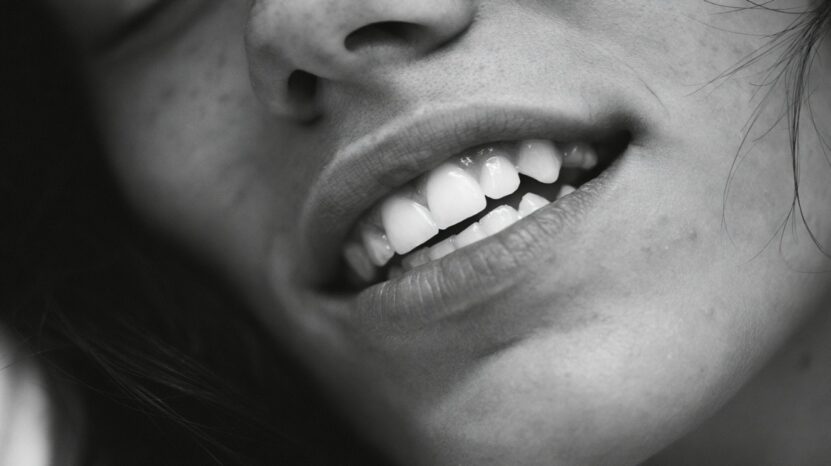
No single cause explains every case of sleep bruxism. Several physical, emotional, medical, and lifestyle factors may interact.
Stress and anxiety are common triggers. Jaw muscles may stay tense during sleep after a stressful day, particularly in people who clench their teeth while concentrating or feeling frustrated.
Caffeine can increase muscle activity and disrupt sleep, especially when consumed later in the day. Alcohol and smoking may also raise the risk of grinding or make existing symptoms worse.
Certain medications have been linked to bruxism, including some antidepressants. Anyone who notices grinding after starting or changing a prescription should speak with the prescribing clinician rather than stopping medication independently.
Dental and jaw issues may contribute in some cases. Misaligned teeth, bite irregularities, TMJ problems, or jaw-position concerns can increase strain around the chewing muscles.
Sleep disruption is another important factor. Frequent awakenings, irregular sleep schedules, and disorders such as obstructive sleep apnea may increase nighttime jaw activity.
Several causes can exist at the same time. A person may have high stress, evening caffeine use, disrupted sleep, and an airway problem, making professional assessment important.
Sleep Apnea and Teeth Grinding
Obstructive sleep apnea causes repeated narrowing or blockage of the airway during sleep.
Breathing becomes restricted or stops briefly, prompting the brain to partially wake the body so airflow can restart.
Around half of people with sleep apnea may show signs of sleep bruxism during sleep studies, according to one estimate.
That connection does not prove that every person who grinds has apnea, but it makes breathing symptoms important to investigate.
One proposed explanation involves the brain activating jaw muscles during a breathing disturbance.
Movement of the lower jaw may help push it forward and briefly stabilize or reopen the airway.
- Loud or frequent snoring
- Choking or gasping during sleep
- Pauses in breathing noticed by another person
- Difficulty breathing through the nose
- Morning headaches
- Neck tension
- Dry mouth after waking
- Poor concentration
- Irritability
- Daytime exhaustion despite spending enough time in bed
Grinding alone does not confirm sleep apnea. Combined grinding and breathing symptoms, however, deserve professional evaluation.
A standard night guard can shield teeth against direct contact, but it cannot correct an obstructed airway.
Some oral appliances are designed to reposition the jaw for sleep apnea, though they require medical and dental assessment.
Using an unsuitable device without proper evaluation may protect tooth surfaces while leaving breathing problems untreated.
Accurate diagnosis should come before choosing an appliance.
What to Do
A dental examination is a practical first step.
Dentists can check wear patterns, enamel loss, small fractures, broken restorations, bite changes, gum recession, and TMJ function.
Professionally fitted night guards may help protect teeth by keeping the upper and lower arches apart.
Force is distributed across the appliance instead of concentrating on individual teeth.
Protection does not always remove the cause. Stress, medication effects, airway restriction, or sleep disruption may continue even when tooth damage slows.
Try scheduling massages and relaxing more often, as stress can be very dangerous if left unchecked.
Lifestyle changes can reduce common triggers.
- Limiting caffeine later in the day
- Reducing evening alcohol
- Avoiding smoking
- Keeping a consistent sleep schedule
- Creating a calmer bedtime routine
- Practicing meditation or relaxation exercises
- Trying yoga
- Seeking counseling or cognitive behavioral therapy for persistent stress
View this post on Instagram
Jaw stretches and physical therapy may help people with muscle tightness or limited movement.
A cold compress wrapped in cloth and applied for 20 to 30 minutes may reduce discomfort in suitable cases.
Hard foods, chewing gum, and habits that overwork the jaw may need to be limited during painful flare-ups. Biting pens, nails, or other objects can add even more strain.
Sleep evaluation is important for anyone who snores loudly, gasps, experiences breathing pauses, or wakes exhausted after a full night in bed.
Testing can determine if sleep apnea or another disorder is interfering with breathing and sleep quality.
Advanced dental damage may require restorative care. Bonding can repair smaller chips, while crowns or other treatments may be needed for weakened, shortened, or badly fractured teeth.
Early treatment is usually less complicated than repairing severe damage. Pain, sensitivity, jaw locking, visible fractures, and major changes in tooth shape should not be ignored.
Closing Thoughts
Nighttime teeth grinding affects about one in ten adults and can create up to six times more force than ordinary chewing. Repeated pressure may wear away enamel, shorten teeth, cause fractures, enlarge jaw muscles, strain the TMJ, and interrupt restful sleep.
A night guard can reduce dental damage, but lasting care also depends on identifying possible triggers. Stress, medication effects, caffeine, alcohol, smoking, , disrupted sleep, and sleep apnea may all play a role.
Addressing both tooth protection and the underlying cause offers the best chance of reducing pain, preserving the smile, and improving sleep.000